Introduction to Vegetable Soup
When life gets busy, finding the time to cook can feel like a daunting task, especially for young professionals juggling work, socializing, and self-care. This is where homemade vegetable soup becomes a game-changer. It’s not just a quick meal; it’s a wholesome way to nourish your body and mind amidst a hectic schedule.
Why Homemade Vegetable Soup is a Game-Changer for Young Professionals
Imagine coming home after a long day, tired and hungry. Instead of reaching for another takeout menu, why not whip up a warm bowl of vegetable soup? Not only is it a comforting dish, but it’s also incredibly versatile. You can customize it with whatever veggies you have on hand, making it a perfect way to reduce food waste. Plus, making your own soup means you can control the ingredients, ensuring they’re wholesome and nutritious.
Research shows that a diet rich in vegetables can lead to numerous health benefits, including improved heart health and a lower risk of chronic diseases (source: American Heart Association). With vegetable soup, you can pack in the nutrition without the preservatives or additives often found in store-bought options.
Here are a few key reasons why you should consider making your own vegetable soup:
- Time-efficient: Once you chop your veggies and toss them in a pot, the soup essentially cooks itself. You can use that time to unwind or tackle other tasks.
- Budget-friendly: Buying seasonal produce or using leftovers can drastically cut costs, allowing you to enjoy a healthy meal without breaking the bank.
- Freezable: Making a big batch means you’ll have meals ready for those busy nights. Just heat and serve!
For those who feel a bit intimidated in the kitchen, fear not! Making a delicious vegetable soup is easier than you might think. The process can even become a fun therapeutic experience, allowing you to explore new flavors and textures while reconnecting with the joy of cooking.
So, if you’re ready to step into the world of hearty, homemade vegetable soup, grab your favorite pot and let’s get started!
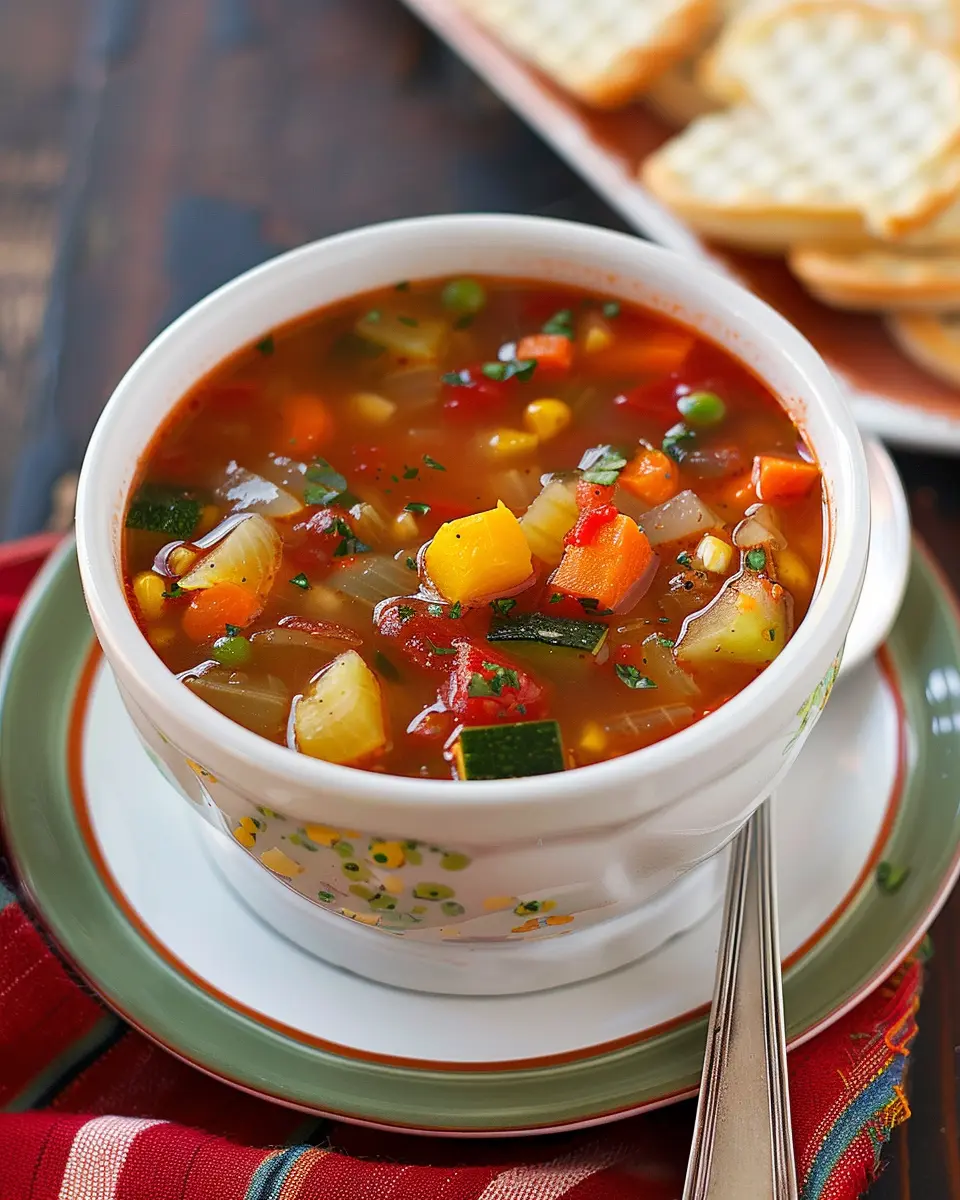
Ingredients for Vegetable Soup
Essential ingredients for the perfect vegetable soup
Creating a comforting bowl of vegetable soup starts with the right ingredients. Here’s a list of essentials that will form the foundation of your delicious dish:
- Vegetables: Think carrots, celery, potatoes, and onions to create a robust flavor base.
- Broth: A good quality vegetable or chicken broth (feel free to make your own!) adds depth and richness.
- Herbs and Spices: Bay leaves, thyme, and black pepper enhance the overall taste, adding warmth and richness.
Using fresh, seasonal vegetables not only elevates flavor but also brings in important nutrients, making this soup not just tasty but healthy too. For tips on sourcing fresh produce, check out the USDA’s guidelines.
Optional add-ins for a personal touch
Want to make your vegetable soup uniquely yours? Consider these optional add-ins:
- Proteins: Add diced turkey bacon or chicken ham for extra heartiness.
- Legumes: Toss in some chickpeas or lentils for a protein boost.
- Grains: Barley or quinoa makes the soup even more filling.
When you customize your soup, you not only enhance its flavor and nutrition, but you also make it a reflection of your personal taste!
Step-by-step preparation of Vegetable Soup
Making a delicious and hearty vegetable soup is one of the most rewarding kitchen experiences. It’s not just about enjoying a bowl of warmth; it’s also an opportunity to embrace seasonal produce and create a nutritious meal from scratch. Let’s dive into the step-by-step process that will have you sipping homemade vegetable soup in no time!
Gather your ingredients
Before you embark on your culinary adventure, it’s essential to gather all the required ingredients. This makes the cooking process smoother and more enjoyable. Here’s a simple list to get you started:
- Mixed vegetables: Choose seasonal options like carrots, celery, bell peppers, onions, and any leafy greens like spinach or kale to fall back on.
- Broth: Vegetable broth is ideal, but chicken broth works too if you want to add a bit more flavor. You can even make your own by simmering veggies.
- Tomatoes: Choose either canned diced tomatoes or fresh tomatoes. If you’re using fresh, make sure they’re ripe for the best flavor.
- Aromatics: Garlic and onion are your best friends in this dish.
- Seasonings: Salt, pepper, bay leaves, and your favorite herbs like thyme, rosemary, or a sprinkle of Italian seasoning.
- Optional ingredients: Add protein with Turkey Bacon or Chicken Ham, or toss in some lentils or beans for an extra heartiness.
Don’t hesitate to personalize your soup with your favorite vegetables or what you have on hand!
Sautéing the aromatics
Now, let’s kick things off! In a large pot, heat some olive oil over medium heat. Once hot, add diced onions and minced garlic. As these aromatics cook, they release wonderful flavors that’ll form the foundation of your vegetable soup.
A question I often hear is, “How do I know when my aromatics are done?” Simple! Just look for the onions to become translucent and slightly golden, which usually takes about 3-5 minutes. This step can also be a great time to think about layering flavors. Adding spices like crushed red pepper flakes can elevate the profile of your soup.
Building the base with broth and tomatoes
Once your aromatics are ready, it’s time to build the soup’s base. Pour in your broth, making sure to scrape the bottom of the pot to mix in the flavorful bits left from the onions and garlic. Following that, add your tomatoes, stirring to combine.
Why is this step crucial? The tomatoes provide acidity, balancing out the flavors of your vegetable soup nicely. They also contribute to the lovely color you’ll see in your final dish. For an extra burst of flavor, let this mixture simmer for a few minutes before adding your vegetables.
Adding veggies and seasonings
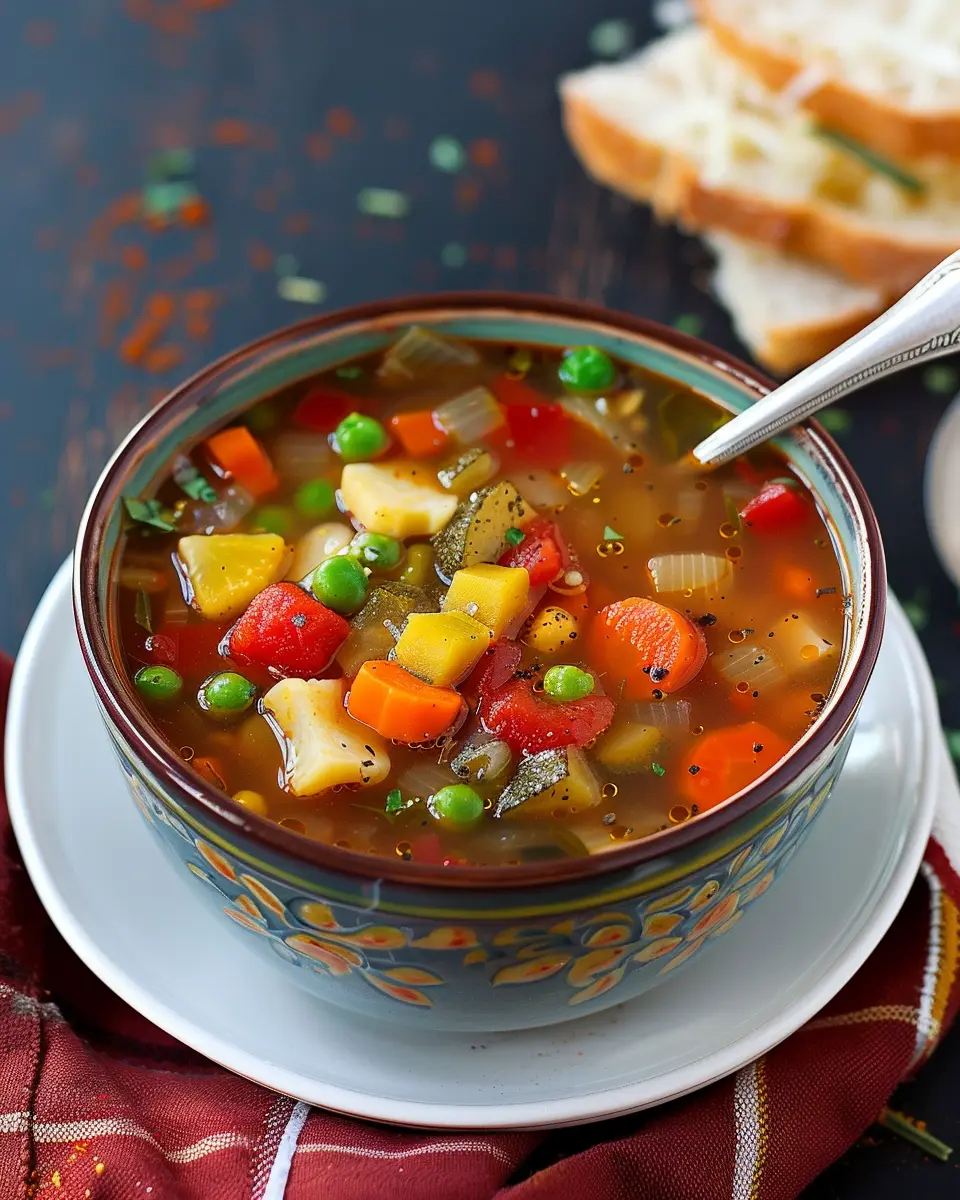
With your flavorful base established, it’s time to toss in all the vegetables. Start with those that take longer to cook, like carrots and potatoes, followed by quicker-cooking options such as zucchini and leafy greens.
As you add your veggies, don’t forget to sprinkle in your seasonings—salt, pepper, herbs, and that optional protein, if you choose to include it. An expert tip: I always recommend tasting as you go; this will help you discover how all the elements meld together.
Simmering and adjusting flavors
Now comes the best part—let it simmer! Allow your soup to cook on low heat for about 20-30 minutes. This process helps all the flavors meld beautifully. Occasionally, give the soup a gentle stir and taste it. Need more seasoning? Just adjust as necessary!
Did you know that simmering vegetables can help retain their nutritional value? According to the American Institute for Cancer Research (AICR), cooking methods like steaming or simmering are great ways to keep the vitamins intact.
Final additions and serving
As you approach the finish line, your vegetable soup should be bursting with colors and fragrance. You might want to add a squeeze of lemon or a dash of vinegar to brighten the flavors before serving.
Once you’re satisfied with the taste, ladle the soup into bowls, and finish with a drizzle of olive oil or a sprinkle of fresh herbs. You can even introduce a side of crusty bread to make it a more filling meal.
There you have it! A step-by-step guide to preparing a wholesome vegetable soup that’s not only delightful but also a canvas for your culinary creativity. Enjoy your warm bowl of comfort!
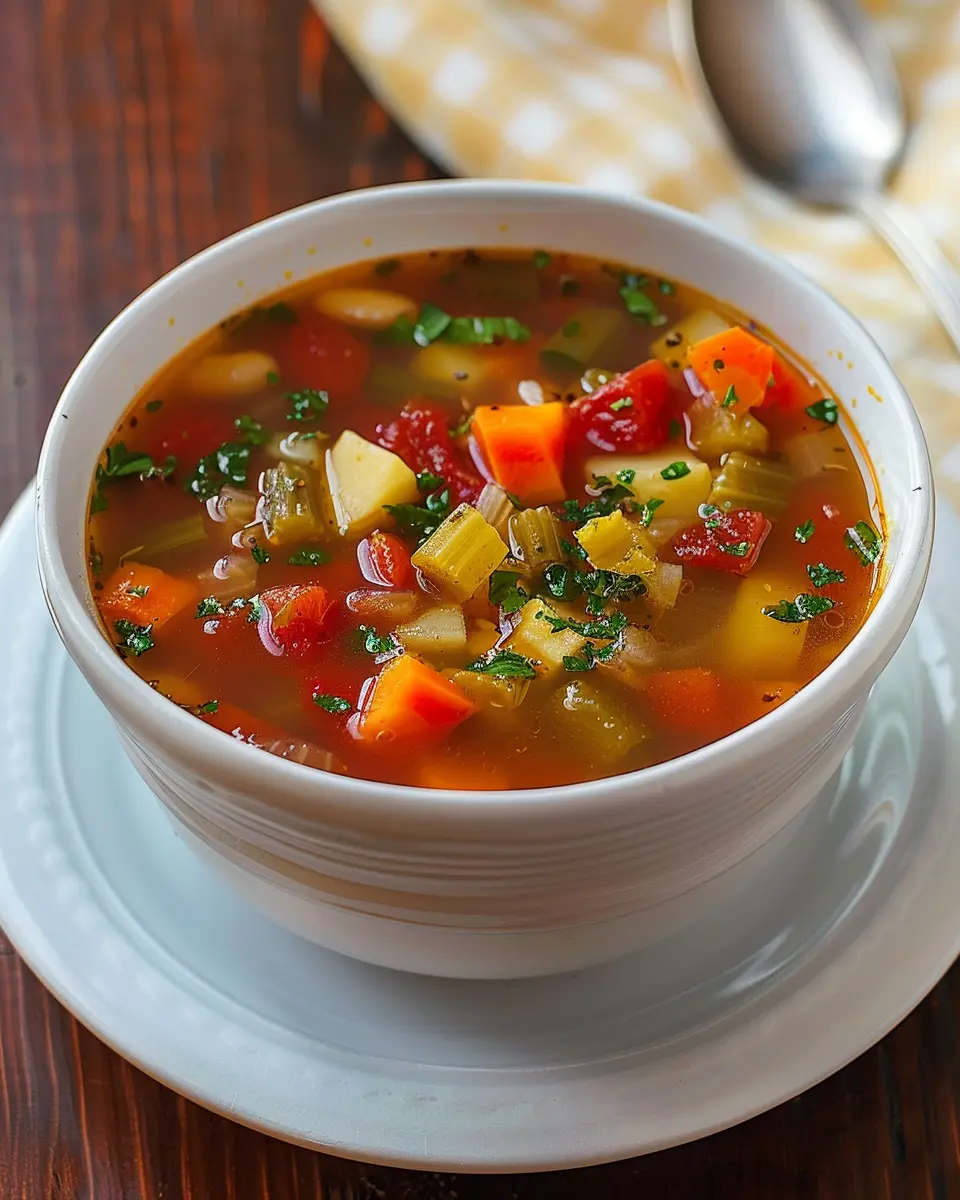
Variations on Vegetable Soup
Creating the perfect vegetable soup is an art, and the beauty of it lies in the countless variations you can whip up. Let’s explore some delightful twists that can elevate your soup game!
Classic Vegetable Soup Variations
Start with a basic recipe, but don’t be afraid to mix it up a bit! Consider adding seasonal vegetables to keep things fresh and exciting. For a more robust flavor, try using:
- Root vegetables like parsnips and turnips
- Leafy greens such as kale or spinach
- Herbs: Fresh thyme or basil can bring a new dimension.
Do you have tomatoes on hand? Toss in cherry tomatoes for a burst of sweetness. You can also try using vegetable broth for a richer flavor, or substitute canned tomatoes for a tangy twist. For more ideas, you might find inspiration from Food Network.
Hearty Additions for Protein
If you’re looking to make your vegetable soup more filling, think about incorporating protein sources. Here are a few tasty options:
- Turkey bacon: Adds a savory, smoky flavor while keeping things lighter.
- Chicken ham: Using this can introduce a hearty element without overwhelming the soup’s essence.
- Beans or lentils: Not only do they boost protein levels, they also add texture and fiber.
These additions offer versatility, making your soup suitable for any meal.
Global Twists on Vegetable Soup
Why limit yourself to familiar flavors? Take your vegetable soup on a global journey! Experiment with:
- Mediterranean flavors: Add olives, feta, and a drizzle of olive oil for a Mediterranean delight.
- Asian flair: Incorporate ginger, garlic, and miso paste, topped with sesame seeds.
- Mexican spin: Toss in black beans, corn, and spices like cumin and chili powder.
With these creative variations, your simple vegetable soup can transform into a comforting bowl of goodness with exciting new flavors.
Cooking tips and notes for Vegetable Soup
Secrets to enhancing flavor
To truly elevate your vegetable soup, think about layering flavor at every stage. Start by sautéing your onions, garlic, and spices in a touch of olive oil; this builds a rich base. Add in herbs like thyme or rosemary for an aromatic punch. For an extra depth, consider using vegetable broth or homemade stock instead of water. Want a hint of sweetness? Throw in a splash of apple cider vinegar or a dash of soy sauce. Trust me, the balance of flavors will be outstanding!
Common mistakes to avoid
Everyone makes mistakes in the kitchen, but by avoiding a few common pitfalls, your vegetable soup will shine. First, don’t overcook your vegetables; they should retain some bite. Secondly, skip the impulse to dump in all your ingredients at once—add them sequentially based on cooking times. Lastly, be cautious with salt; it’s easier to add more than to take it away.
For additional guidance on maximizing flavor, check out Serious Eats for expert tips and tricks!
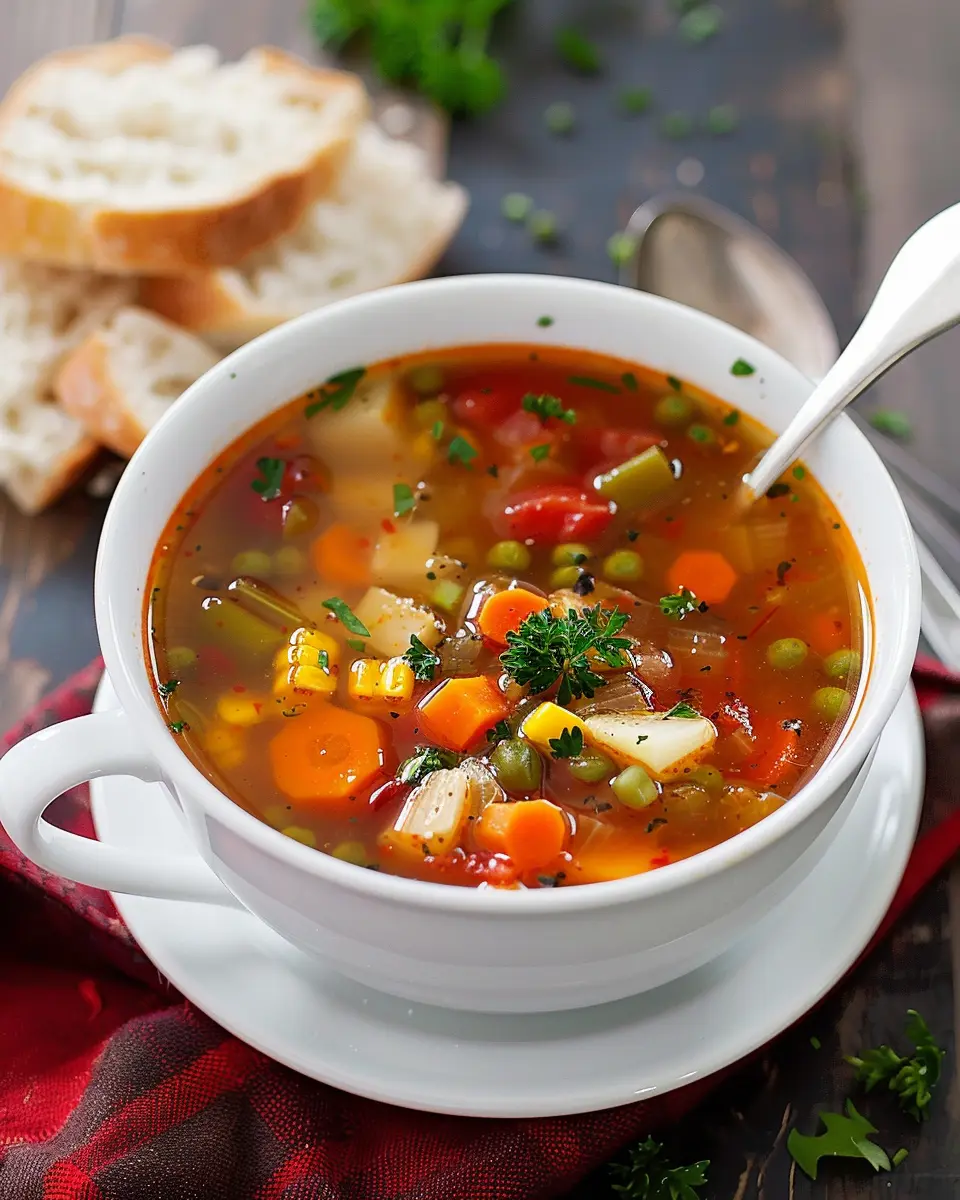
Serving Suggestions for Vegetable Soup
Best Sides to Pair with Vegetable Soup
When enjoying a warm bowl of vegetable soup, consider elevating the meal with some delightful sides. Here are a few tasty suggestions:
- Crusty Bread: A slice of fresh sourdough or a warm baguette is perfect for dipping. The texture will complement the soup’s warmth beautifully.
- Green Salad: A light garden salad tossed in a tangy vinaigrette adds a refreshing crunch. This balance enhances the overall dining experience.
- Turkey Bacon Wraps: Try some crisp turkey bacon wrapped around roasted vegetables for a savory kick that pairs wonderfully with your soup.
For more on complementary recipes, visit Taste of Home for ideas.
Creative Presentation Ideas
Presentation can turn a simple vegetable soup into a culinary masterpiece. Here are some creative ways to serve it:
- Mason Jars: Serve individual portions in mason jars for a trendy look that’s also portable for busy professionals.
- Bowl Garnish: Top your soup with fresh herbs, a swirl of yogurt, or a sprinkle of parmesan cheese to add color and flavor.
- Layered Serving: Create layers of different vegetables in clear bowls to showcase the vibrant colors, making the dish visually appealing.
With these thoughtful touches, your meal will not just taste great but look fantastic too! How do you like to serve your soup?
Time Breakdown for Vegetable Soup
Preparation Time
Getting ready to make your vegetable soup is part of the fun! You’ll want to set aside about 15-20 minutes for chopping vegetables, measuring ingredients, and gathering supplies. It’s a great way to brush up on your knife skills and maybe even discover a new favorite veggie.
Cooking Time
Once everything is prepped, the magic happens. Allow approximately 30-40 minutes for cooking. This includes simmering those delicious flavors together until everything is tender and delightful. Keep an eye on it; your kitchen will soon smell heavenly!
Total Time
In total, you’re looking at around 45-60 minutes from start to finish. Perfect for a weeknight dinner or meal prep for busy days ahead. And just like that, you’ve got a nourishing bowl of vegetable soup to warm you up!
For more soup ideas, check out BBC Good Food for inspiration and tips on ingredients!
Nutritional facts for Vegetable Soup
Calories and macronutrient breakdown
Ever wonder how vegetable soup fits into your healthy eating plan? A standard serving of homemade vegetable soup typically contains about 70-100 calories. Its macronutrient profile is remarkably balanced, offering:
- Protein: 2-4g
- Fat: 1-3g
- Carbohydrates: 12-18g
This makes it a fantastic option for those looking to maintain a healthy diet while enjoying flavorful meals.
Vitamins and minerals present
One of the best things about vegetable soup is all the nutrients packed into each bowl. It’s loaded with essential vitamins and minerals, including:
- Vitamin A: Great for eye health, found mainly in carrots and leafy greens
- Vitamin C: Supports your immune system, abundant in tomatoes and bell peppers
- Potassium: Vital for heart health, largely present in potatoes and spinach
- Folate: Important for cell function and tissue growth, especially from leafy vegetables
Incorporating a variety of veggies not only enhances the flavor but significantly boosts its nutrient profile. For an in-depth look at the benefits of eating veggies, check this source on health guidelines.
Final Thoughts
Feeling like you didn’t just read another bland nutritional label? That’s what’s great about vegetable soup—it provides you with essential nutrients while being versatile, comforting, and downright delicious! It’s the perfect meal for those busy weeknights when nutrition is key but time is short. Don’t hesitate to experiment with different vegetables to keep things exciting and nutritious!
FAQs about Vegetable Soup
How can I store leftover vegetable soup?
Storing leftover vegetable soup is a breeze! Just let the soup cool down to room temperature, then transfer it to an airtight container. Make sure to seal it well to keep out any unwanted air and odors. You can refrigerate the soup for up to three to four days. When you’re ready to enjoy it again, simply reheat it on the stove or in the microwave until it’s heated through.
Can I freeze vegetable soup?
Absolutely! Freezing vegetable soup is one of the best ways to preserve its freshness for later. To do this, ladle the cooled soup into freezer-safe bags or containers, leaving some space for expansion. You can store it in the freezer for up to three months. For a quick meal later, try freezing portions in individual containers. When ready to eat, thaw it overnight in the refrigerator and reheat on the stove.
What vegetables are best for vegetable soup?
Choosing the right vegetables can make all the difference in your vegetable soup. Opt for classics like:
- Carrots: Their natural sweetness adds depth.
- Celery: Provides crunch and flavor.
- Green beans: A great source of fiber.
- Spinach or Kale: For a nutrient boost.
- Potatoes: They add heartiness and help thicken the broth.
Experiment with seasonal veggies as well; utilizing local produce not only enhances the flavor but supports local farmers. Don’t hesitate to check out great sources for vegetable selection tips here.
With these FAQs, you’re fully equipped to create, store, and enjoy your delicious vegetable soup like a pro!
Conclusion on Vegetable Soup
Making vegetable soup at home is not only rewarding but also beneficial for both body and soul. It allows you to control the ingredients, tailoring the flavors to your preference, and ensuring you use fresh, seasonal produce. This year-round staple is a fantastic way to incorporate vitamins and nutrients into your diet.
By preparing vegetable soup yourself, you can enjoy the satisfaction of crafting a nourishing meal while minimizing waste and expenses. Plus, it’s an excellent opportunity to experiment with various vegetables and spices. So why not take the plunge? Dive into a bowl of homemade vegetable soup and enjoy its warmth and versatility. For more tips on healthy cooking, check out resources from the American Heart Association or Nutrition.gov.
PrintVegetable Soup: The Best Comforting Recipe You’ll Love

A comforting and nutritious vegetable soup recipe that is perfect for any season.
- Prep Time: 10 minutes
- Cook Time: 30 minutes
- Total Time: 40 minutes
- Yield: 4 servings 1x
- Category: Soup
- Method: Stovetop
- Cuisine: American
- Diet: Vegan
Ingredients
- 2 tablespoons olive oil
- 1 onion, chopped
- 2 carrots, sliced
- 2 celery stalks, sliced
- 3 cloves garlic, minced
- 1 can (14.5 oz) diced tomatoes
- 6 cups vegetable broth
- 1 teaspoon dried thyme
- 1 teaspoon dried basil
- 2 cups mixed vegetables (e.g., green beans, corn, peas)
- Salt and pepper to taste
Instructions
- In a large pot, heat the olive oil over medium heat.
- Add the onion, carrots, and celery, and sauté until softened.
- Stir in the garlic and cook for 1 minute.
- Add the diced tomatoes, vegetable broth, thyme, and basil.
- Bring to a boil, then reduce heat and let simmer for 20 minutes.
- Add the mixed vegetables and cook for an additional 10 minutes.
- Season with salt and pepper to taste.
- Serve hot and enjoy!
Notes
- Feel free to use any vegetables you have on hand.
- This soup freezes well for later use.
Nutrition
- Serving Size: 1 cup
- Calories: 150
- Sugar: 6g
- Sodium: 500mg
- Fat: 7g
- Saturated Fat: 1g
- Unsaturated Fat: 5g
- Trans Fat: 0g
- Carbohydrates: 22g
- Fiber: 5g
- Protein: 4g
- Cholesterol: 0mg
Keywords: Vegetable Soup, Comfort Food, Healthy Recipes