Introduction to Vegetable Soup
There’s something universally comforting about a warm bowl of vegetable soup. Whether you’ve had a long day at work or it’s a rainy Sunday afternoon, a hearty soup can really hit the spot. But for young professionals who often juggle busy schedules, cooking can feel like a daunting task. This is where homemade vegetable soup truly shines.
Why Homemade Vegetable Soup is a Game Changer for Young Professionals
Making your own vegetable soup at home isn’t just a culinary endeavor; it’s a practical solution for busy lives. Buying pre-packaged soups can be convenient, but they often come packed with preservatives and excess sodium. By crafting your soup at home, you have absolute control over the ingredients. Plus, it’s a fantastic way to incorporate seasonal vegetables into your diet.
Imagine this: you’re coming home after a 10-hour workday, and instead of thinking about takeout or a frozen dinner, you grab a few fresh veggies, some broth, and within 30 minutes, you’ve created a nourishing meal. What’s even better? You can make a large batch and store it for quick lunches throughout the week. Websites like Eat Well and Eating Well provide seasonal vegetable charts that can inspire your next batch.
Not only is making your own vegetable soup good for your health, but it’s also friendly on the wallet. With veggies that are in season or even leftovers from your last meal, you can whip up a delicious soup without breaking the bank. Plus, cooking can be therapeutic! Chopping veggies and simmering broth can help you decompress after a hectic day.
But what about storage? The wonders of soup don’t end once you’ve made it. Vegetable soup freezes fantastically, allowing you to enjoy wholesome meals at your convenience. So, the next time you find yourself staring into the fridge, remember that a pot of vegetable soup might just be what you need to transform your evening.
Incorporating just one homemade dish into your weekly routine can elevate your cooking game and save you time and stress. So grab your apron, find those fresh veggies, and let’s dive into the delightful world of vegetable soup!
Ingredients for Vegetable Soup
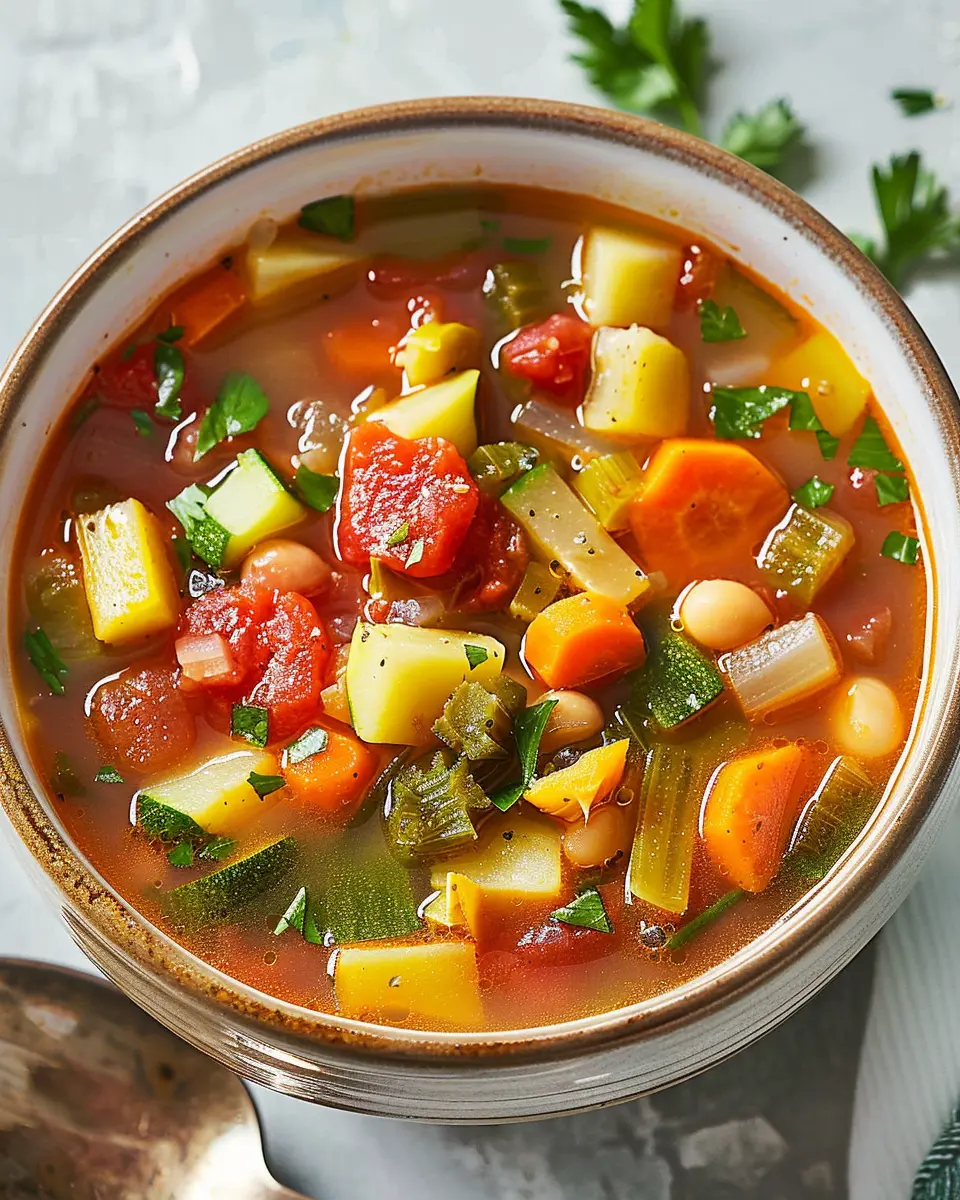
Essential ingredients for a hearty vegetable soup
When crafting the perfect vegetable soup, starting with the right ingredients can make all the difference. Here’s a list of essentials to get you going:
- Vegetables: Carrots, celery, onions, and bell peppers form a classic base. You can also add seasonal veggies like zucchini and spinach for added nutrition.
- Broth: A rich vegetable broth elevates the flavors. If you want to skip the meatiness, consider homemade alternatives for a fresh taste!
- Herbs and spices: Fresh thyme, bay leaves, and parsley add depth. Don’t forget a pinch of salt and pepper to brighten the flavors.
- Protein options: For a heartier soup, consider tiny pieces of Turkey Bacon or Chicken Ham. This not only adds flavor but also a satisfying texture.
Creative ingredient swaps to make it your own
Feeling adventurous? Tailoring your vegetable soup to your taste is easy with some creative swaps:
- Grains: Toss in quinoa or brown rice for extra bulk and fiber.
- Beans: Chickpeas or white beans can amp up protein and provide a lovely creaminess.
- Vegan alternatives: For a plant-based option, use coconut milk or almond milk to make it creamy without dairy.
By mixing and matching these ingredients, you can create a vegetable soup that’s uniquely yours! Don’t forget to check out Food Network for more ideas and inspiration.
Preparing Vegetable Soup
Creating a hearty and comforting vegetable soup is not just about following a recipe; it’s a journey that requires fresh ingredients, a little bit of patience, and a whole lot of love. Let’s walk through the steps together, ensuring that your soup turns out flavorful and utterly satisfying.
Gather Your Fresh Veggies
Before diving into the cooking process, take a moment to gather your fresh vegetables. Aim for a colorful variety, as this not only elevates the look of your soup but also adds diverse nutrients. Here’s a quick list to inspire your shopping:
- Carrots
- Celery
- Bell peppers
- Zucchini
- Tomatoes
- Garlic and onions
Don’t hesitate to explore your local farmers’ market for the freshest produce. Seasonal veggies often taste much better, making your vegetable soup a delicious reflection of the time of year.
Sauté the Base for Flavor
Now that you’ve got your vegetables, the next step is to build a flavorful base for your soup. In a large pot, heat a drizzle of olive oil over medium heat. Add chopped onions and minced garlic, letting them sauté until they become translucent. This step might seem simple, but it’s crucial as the aromatic qualities of these ingredients will lay the foundation of taste for your entire vegetable soup.
By sautéing, you’re quickly unlocking those rich, savory flavors that will enhance the other ingredients. As you stir, you might even notice the enticing aroma wafting through your kitchen. If you like a little heat, toss in some crushed red pepper flakes to the mix.
Build the Broth and Bring It All Together
Once your base is ready, it’s time to add stock! Opt for a good-quality vegetable broth for a fully vegetarian version or chicken stock if you’re looking to deepen the flavor profile. Pour it into your pot and bring it to a gentle simmer.
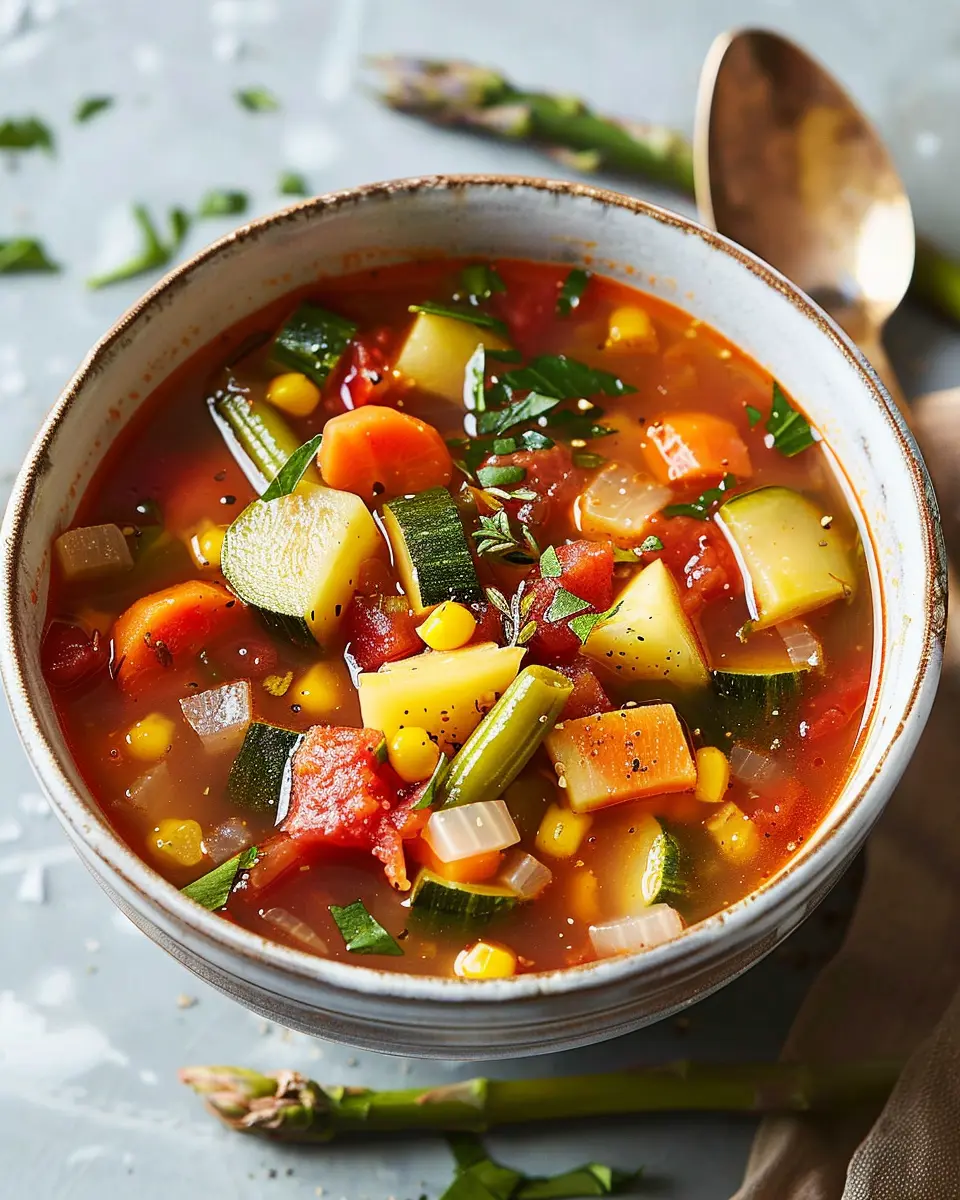
Now, it’s the moment to introduce your chopped veggies to the mix. This is where the soup transforms into a colorful medley. Throw in the carrots, celery, and bell peppers first since they take a bit longer to soften. Let them simmer for about 10-15 minutes until they’re tender.
For a bit more guidance on choosing the perfect broth, check out resources like the American Institute for Cancer Research to understand nutritional benefits.
Add in the Heartier Ingredients
Once your base is bubbling happily, it’s time to add the heartier elements. This could be anything from diced potatoes or beans to proteins like turkey bacon or chicken ham, depending on your preference. These ingredients not only add texture but also make your vegetable soup more satisfying.
If you’re using beans, don’t skip the rinsing part, as this helps remove excess starch and salt from canned varieties. Allow everything to cook together for another 10-15 minutes, ensuring all those flavors meld beautifully.
Stir in the Greens at the Finish
As you approach the finishing line of your soup preparation, give a thought to those vibrant greens! Whether you choose spinach, kale, or Swiss chard, adding fresh greens at the end helps retain their nutrients and bright color.
Simply stir in your greens and let the soup simmer for an additional 5 minutes until they’re wilted yet still vibrant. This final touch not only enhances the vegetable soup’s health profile but also ensures that it’s visually appetizing.
Final Touches
Before serving your delicious creation, consider adding a splash of lemon juice or a sprinkle of fresh herbs like parsley or thyme for an extra layer of flavor. Ladle the soup into bowls and savor the satisfaction of your culinary effort. Enjoy your comforting vegetable soup with a slice of crusty bread or a fresh salad for a complete meal. Bon appétit!
Variations on Vegetable Soup
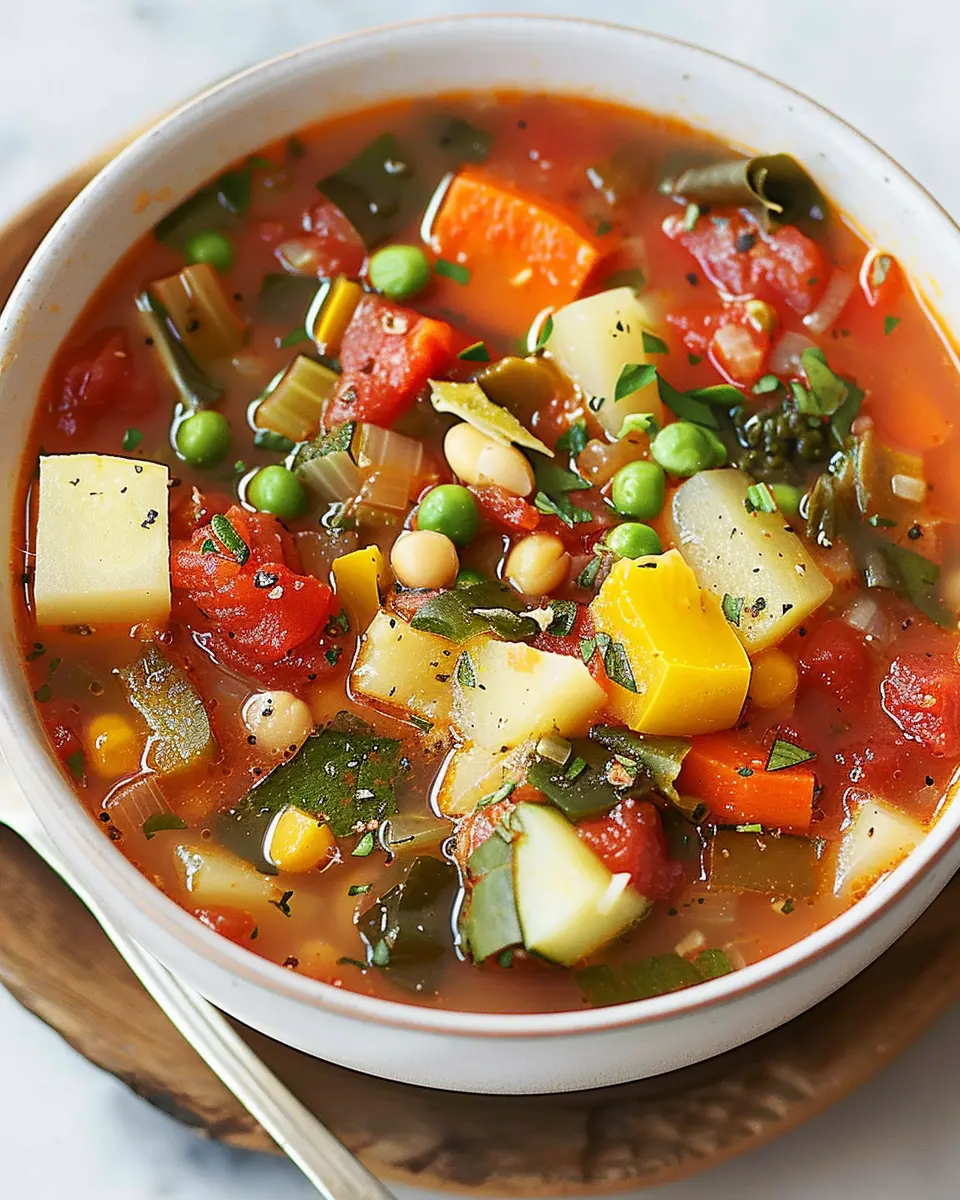
When it comes to making vegetable soup, the possibilities are endless! Here are three delightful variations that will take your taste buds on a flavor adventure.
Italian-Style Vegetable Soup with Herbs
If you’re craving the comforting warmth of Italy, this Italian-style vegetable soup is your answer. Using a rich vegetable broth, combine seasonal vegetables like zucchini, carrots, and green beans, and add a touch of chicken ham for depth. To create that signature Italian flavor, generously sprinkle in dried oregano, basil, and a pinch of red pepper flakes. This Mediterranean twist is not just delicious but also reminds us of the sunny regions of Italy—dine with a slice of crusty bread or a sprinkle of Parmesan cheese on top! For a great recipe base, check out this Italian vegetable soup for inspiration.
Southwest-Inspired Vegetable Soup with Beans
Let’s add some spice! This Southwest-inspired vegetable soup is hearty and packed with flavor. Start by sautéing onions and garlic, then introduce bell peppers, corn, and diced tomatoes. Drain and rinse a can of black beans and throw that in for protein. A splash of lime juice and a handful of cilantro elevate the freshness. Top it off with avocado slices for a creamy texture. Perfect for cold nights, this one will make you feel warm all over!
Asian Vegetable Soup with Ginger and Lemongrass
For a refreshing twist, try an Asian-inspired vegetable soup bursting with ginger and lemongrass. Begin with a fragrant broth, then toss in bok choy, mushrooms, and snap peas, letting them soak up that aromatic flavor. The zing from fresh ginger and lemongrass brings a delightful brightness. For a protein boost, consider adding tofu or a sprinkle of turkey bacon. Serve it with a side of rice noodles, and you have a nourishing bowl that’s both tasty and energizing. For more tips, take a look at this Asian soup guide.
No matter which variation you choose, you’ll find that vegetable soup is a versatile canvas just waiting for your culinary creativity!
Cooking Tips and Notes for Vegetable Soup
Key Cooking Techniques for Depth of Flavor
To elevate your vegetable soup, start with a solid base. Sautéing onions, garlic, and carrots in a bit of olive oil can work wonders. This process, known as sweating, helps release natural sweetness and develops layers of flavor. Consider adding herbs like thyme or bay leaves early on, allowing them to infuse the soup.
For added richness, you might experiment with a splash of vegetable broth or juices, like lemon or apple cider vinegar, which can brighten the overall taste. Remember to taste as you go; balancing seasonings is key!
Ingredient Storage Tips for Freshness
Keeping your vegetables fresh is essential for a great vegetable soup. Here are some handy tips:
- Store vegetables in crisper drawers of the fridge with a paper towel to absorb excess moisture.
- Use airtight containers for chopped veggies to maintain their crunch.
- Leafy greens like spinach should be washed and dried before storing, as moisture can lead to wilting.
For more on proper vegetable storage, check out this helpful guide from the USDA. Happy cooking!
Serving Suggestions for Vegetable Soup
Optimal pairings for a satisfying meal
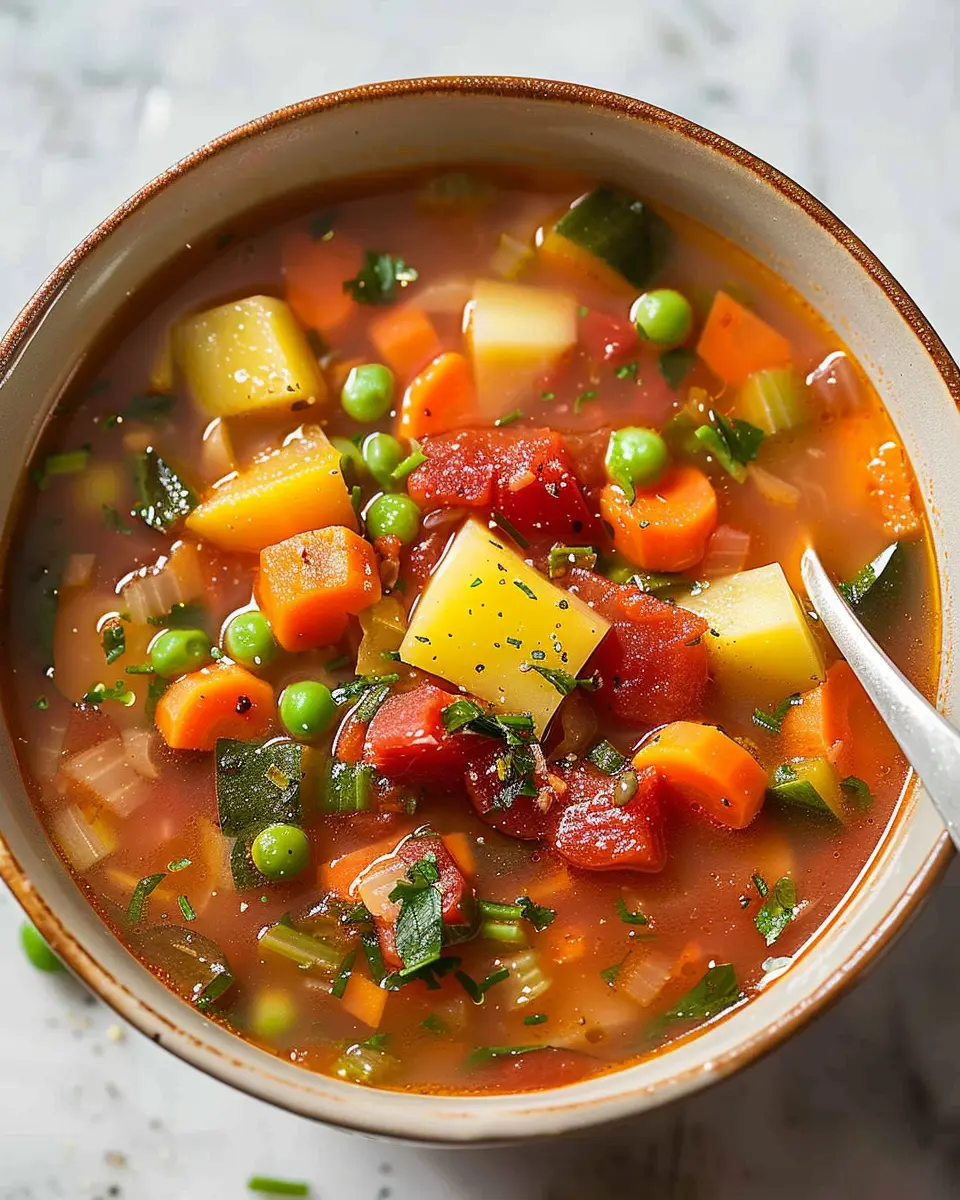
When it comes to enjoying your vegetable soup, think about how you can create a complete meal. Pairing your soup with crusty whole-grain bread, a light salad, or a hearty sandwich can elevate the experience significantly. If you’re looking for a protein boost, consider adding turkey bacon or chicken ham on the side. Both options pair beautifully and add a savory contrast to the freshness of your soup.
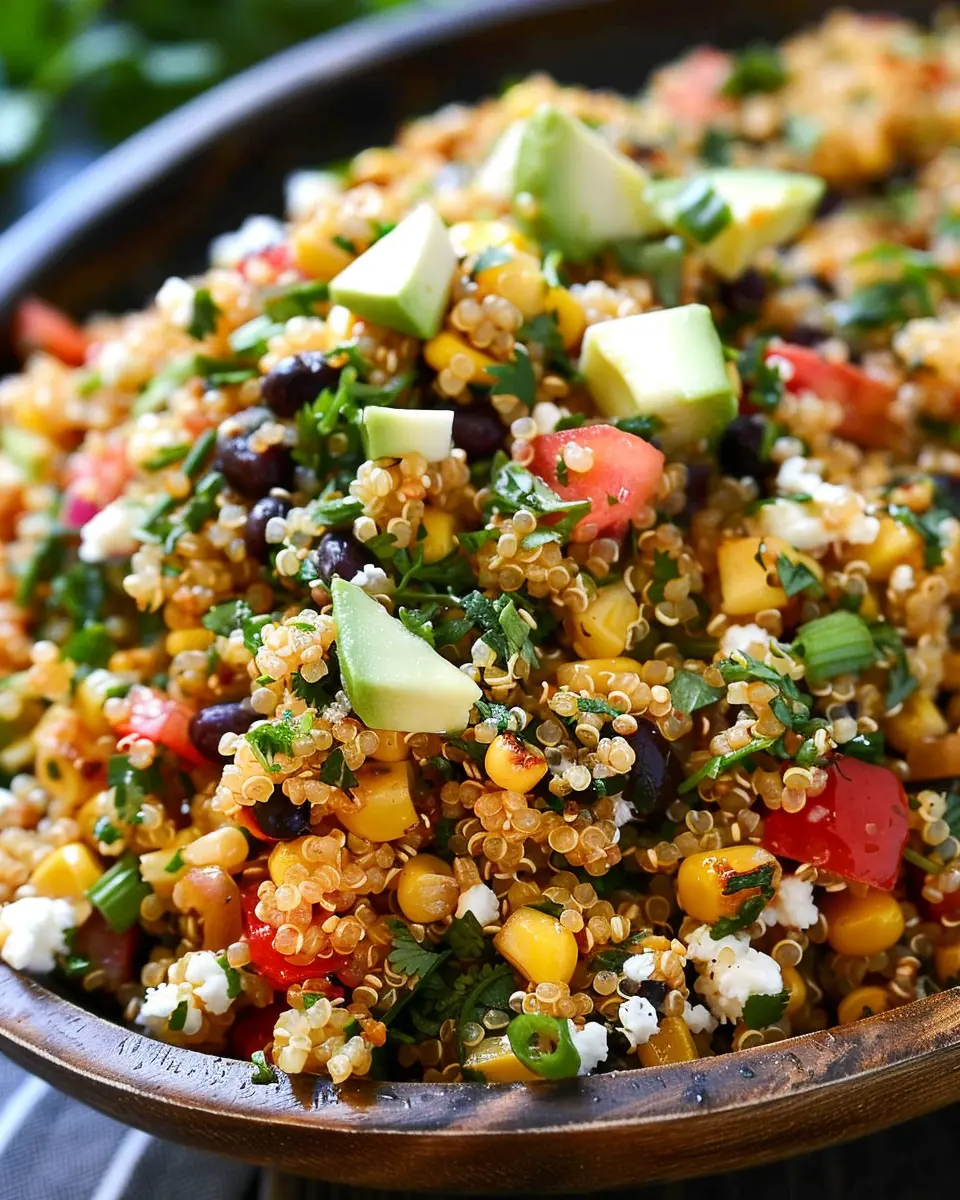
You could also serve it alongside a simple quinoa or couscous salad, which adds a delightful texture and nutty flavor. If you want something indulgent, grilled cheese with sharp cheddar makes for a comforting combo that’s hard to resist.
Creative toppings to elevate your soup game
Toppings can truly transform your vegetable soup from good to great. Try sprinkling fresh herbs like basil, parsley, or cilantro for a burst of freshness. A dollop of sour cream or Greek yogurt adds creaminess, while croutons give nice crunch. For a bit of spice, drizzle some sriracha or sprinkle red pepper flakes.
Feeling adventurous? Top with roasted pumpkin seeds or a handful of toasted nuts for a delightful crunch. You might discover that a simple topping can make your soup feel gourmet! For more inspiration on toppings, check out resources like Bon Appétit or Food Network.
Time Breakdown for Vegetable Soup
Preparation Time
Getting your ingredients prepped for your hearty vegetable soup is easy and only takes about 15-20 minutes. You’ll want to chop your veggies—think carrots, celery, and your choice of greens—for that delicious contrast of textures in each spoonful.
Cooking Time
Once everything is prepped, the magic happens! The actual cooking time is around 30-40 minutes. This is when the flavors meld together, creating a rich, comforting broth that fills your kitchen with delightful aromas.
Total Time
By the time you’re done, you’ll spend approximately 45-60 minutes from start to finish. Perfect for young professionals with a busy schedule but still wanting a wholesome meal! Ready to warm up with a nutritious bowl of vegetable soup? Check out tips for making a perfect broth here.
Nutritional Facts for Vegetable Soup
Calories and Macronutrients
A serving of vegetable soup typically packs around 70-100 calories, depending on the ingredients used. It’s low in fat, with about 1-3 grams per serving, while being rich in carbohydrates (around 15-20 grams). You’ll also find a moderate amount of protein, usually about 3-5 grams, particularly if you add in Turkey Bacon or Chicken Ham. This makes it a satisfying and guilt-free option for lunch or dinner.
Health Benefits of Vegetables in Your Soup
Incorporating a variety of vegetables in your vegetable soup not only enhances the flavor but also boosts nutrition. For instance:
-
Rich in Vitamins: Vegetables like carrots and spinach are loaded with vitamins A and C. These essential nutrients support immune function and eye health. According to the CDC, just one serving of vegetables can contribute significantly to your daily intake.
-
Fiber Power: High-fiber vegetables like broccoli and peas aid digestion and can help maintain a healthy weight. Fiber keeps you feeling full longer, which is perfect if you’re looking to manage your cravings!
-
Antioxidants: Many vegetables contain antioxidants that may help reduce inflammation. Ingredients like tomatoes and bell peppers are particularly high in these beneficial compounds, contributing to overall health.
So go ahead, fill your bowl with delicious, nourishing vegetable soup, and enjoy not just the taste but all the health benefits that come with each spoonful!
FAQs about Vegetable Soup
How can I customize my vegetable soup recipe?
Customizing your vegetable soup is a fantastic way to make it uniquely yours! Start with a base of your favorite veggies; typical choices include carrots, celery, and potatoes. But don’t hesitate to experiment—try adding:
- Greens: Spinach, kale, or Swiss chard for extra nutrients.
- Beans: For protein, use chickpeas, kidney beans, or lentils.
- Herbs and Spices: Basil, thyme, or even a pinch of cayenne for warmth can elevate the flavor profile.
- Broth Variations: Swap vegetable broth for chicken broth for a heartier taste.
Your soup, your rules!
Can I freeze vegetable soup for later?
Absolutely! Freezing your vegetable soup is a great way to save leftovers and enjoy a quick meal later. Here are some tips:
- Cool Before Freezing: Let your soup cool to room temperature.
- Use Airtight Containers: Choose freezer-safe containers or zip-top bags, leaving space for expansion.
- Label: Don’t forget to date your containers; most soups last about 3 months in the freezer.
When you’re ready to enjoy, simply thaw in the fridge overnight and reheat on the stove.
What should I serve with vegetable soup?
Pairing options for your vegetable soup can take your meal to the next level. Consider:
- Bread: A thick crusty sourdough or whole grain bread for dipping.
- Salad: A light mixed greens salad for a refreshing contrast.
- Sandwiches: Grilled cheese or turkey bacon sandwiches make an excellent addition.
These combinations not only complement the soup’s flavors but also create a satisfying and well-balanced meal. Happy cooking!
For more delicious soup recipes and tips, check out resources like The Kitchn for a variety of fresh ideas!
Conclusion on Vegetable Soup
Homemade vegetable soup is a heartwarming solution for young professionals seeking convenience without sacrificing flavor or nutrition. After a long day, nothing beats a steaming bowl filled with vibrant vegetables and wholesome ingredients, all simmered to perfection. It’s not just a meal; it’s a comforting ritual, offering a moment of pause in a busy life.
With customizable ingredients, you can easily adapt your soup to match your mood or whatever you have on hand. Plus, batch cooking allows for easy lunches throughout the week! So grab your favorite veggies and get creative! Want to learn more about various kinds of soups? Check out resources like the American Heart Association for inspiration.
PrintVegetable Soup: The Best Comfort Recipe for Cozy Nights

Warm, hearty, and packed with nutrients, this Vegetable Soup is the perfect comfort food for chilly evenings.
- Prep Time: 15 minutes
- Cook Time: 30 minutes
- Total Time: 45 minutes
- Yield: 6 servings 1x
- Category: Soup
- Method: Stovetop
- Cuisine: American
- Diet: Vegan
Ingredients
- 2 tablespoons olive oil
- 1 onion, chopped
- 2 carrots, diced
- 2 celery stalks, diced
- 3 cloves garlic, minced
- 1 pound potatoes, cubed
- 1 zucchini, diced
- 1 bell pepper, chopped
- 6 cups vegetable broth
- 1 can diced tomatoes, with juice
- 1 teaspoon dried basil
- 1 teaspoon dried oregano
- Salt and pepper to taste
- 2 cups spinach leaves
Instructions
- In a large pot, heat the olive oil over medium heat.
- Add the onion, carrots, and celery; sauté until the vegetables are tender.
- Stir in the garlic and cook for an additional minute.
- Add the potatoes, zucchini, bell pepper, vegetable broth, diced tomatoes, basil, and oregano. Bring to a boil.
- Reduce heat and simmer for 20-25 minutes, or until the vegetables are soft.
- Season with salt and pepper, then stir in the spinach just before serving.
Notes
- For a spicier soup, add a pinch of red pepper flakes.
- This soup can be made ahead of time and tastes even better the next day.
Nutrition
- Serving Size: 1 bowl
- Calories: 150
- Sugar: 3g
- Sodium: 800mg
- Fat: 5g
- Saturated Fat: 1g
- Unsaturated Fat: 4g
- Trans Fat: 0g
- Carbohydrates: 27g
- Fiber: 6g
- Protein: 4g
- Cholesterol: 0mg
Keywords: Vegetable Soup, Comfort Food, Cozy Meals