Introduction to Vegetable Soup
In today’s fast-paced world, where meals often come from convenience stores or microwave ovens, it can be a challenge for busy professionals to whip up something nutritious and satisfying. Enter the delightful world of vegetable soup! This simple yet comforting dish is a fantastic way to incorporate a plethora of fresh vegetables into your diet while saving time and effort in the kitchen.
Why Vegetable Soup is the Perfect Homemade Meal for Busy Professionals
Let’s face it—after a long day at work, the last thing you want to do is spend hours cooking dinner. Vegetable soup is not only quick to prepare, but it also allows you to use whatever vegetables you have on hand. Broccoli, carrots, bell peppers, and leafy greens—virtually anything can transform into a hearty soup. According to the USDA, incorporating more vegetables into your diet can lead to better overall health, including a reduced risk of chronic diseases. Isn’t that a compelling reason to whip up a batch?
The beauty of vegetable soup lies in its versatility. You can spice it up with herbs and seasonings that match your mood, or add proteins like Turkey bacon or Chicken ham for a heartier option. This flexibility is perfect for young professionals who might want to switch things up every week or even day.
Here are a few tips to maximize your vegetable soup experience:
- Batch Cooking: Make a large pot on the weekend and store portions in the fridge or freezer for quick lunches or dinners during the week. This is a great way to ensure you always have a healthy meal ready to go.
- Mix and Match: Don’t be afraid to experiment! Changing up ingredients each batch keeps things exciting. You could try a Mediterranean twist with olives and feta one week, then go for a spicy Southwest version the next.
- Healthy Additions: Consider adding whole grains like quinoa or brown rice for extra fiber and fullness.
So, if you’re feeling overwhelmed by the daily grind and uncertain about maintaining a healthy diet, give vegetable soup a try. It’s more than just a meal; it’s an easy and enjoyable way to nourish your body and simplify your weeknight cooking. Ready to dive into the recipe? Let’s get cooking!
Ingredients for Vegetable Soup
Essential pantry staples for your soup
Creating a comforting bowl of vegetable soup is all about using the right ingredients. Begin with some essential pantry staples that set the foundation for flavor:
- Broth: Vegetable broth or chicken broth for extra depth.
- Olive oil: A splash for sautéing those aromatic vegetables.
- Garlic and onions: These are must-haves for a rich flavor base.
- Herbs and spices: Consider dried thyme, basil, or oregano to elevate your soup.
These staples not only enhance the flavor but also ensure that your soup has that homemade touch.
Fresh vegetables to include
Fresh veggies are the heart of any vegetable soup. Here are some that add great color and nutrition:
- Carrots: For sweetness and crunch.
- Celery: Adds that classic flavor.
- Spinach or kale: A nutritious boost.
- Zucchini: For a lovely texture.
- Bell peppers: For a pop of color.
Feel free to personalize by adding seasonal vegetables! Experimenting with what you have on hand not only clears out your fridge but can lead to exciting flavor combinations. Need some inspiration? Check out this link for more tips on seasonal produce!
Preparing Vegetable Soup
Creating a warm, delicious bowl of vegetable soup is not just a cooking task; it’s an experience that nourishes both your body and soul. Here’s how to transform simple ingredients into a delightful meal that’s perfect for any occasion. Ready to dive in? Let’s get started!
Gather Your Ingredients
First things first—let’s round up everything you’ll need! Having your ingredients prepped and at hand will make your cooking process smoother and more enjoyable. Here’s a basic list to get you started:
- Vegetables: Carrots, celery, bell peppers, zucchini, and tomatoes are great choices. Feel free to add your favorite veggies.
- Aromatics: Onions and garlic are essential for that rich flavor base.
- Broth: Use vegetable broth for a vegetarian version or chicken broth for a meatier flavor.
- Protein (optional): Consider adding turkey bacon or chicken ham for a savory touch.
- Herbs and Spices: Fresh basil, thyme, bay leaves, salt, and pepper are fantastic for enhancing the taste.
- Olive oil or butter: For sautéing those delightful aromatics.
For a more comprehensive guide on selecting fresh vegetables, check out the resources from The USDA.
Sauté the Aromatics
Now that you’ve got your ingredients ready, it’s time to make your kitchen smell incredible. Heat a couple of tablespoons of olive oil or butter in a large pot over medium heat. As the oil shimmers, toss in your diced onions and minced garlic. Sauté these until the onions become translucent and fragrant—this usually takes about 3-5 minutes.
Aromatics are the heart of any good soup. Not only do they provide flavor, but they also lay the groundwork for the rich layers of taste that will develop as your vegetable soup simmers. Plus, who doesn’t love the aroma of garlic wafting through the house?
Add the Vegetables and Broth
Once your aromatics are ready, it’s time to introduce the stars of the show: your vegetables! Add them to the pot, stirring them together for about 5-7 minutes. You’ll start to notice the colors popping and the vegetables slightly softening.
Next, pour in your broth of choice—about 6 to 8 cups, depending on how hearty you want your soup. If you’re feeling adventurous, you can replace some of the broth with water or add a splash of lemon juice for brightness. Season with salt and pepper to taste. This stage is crucial because the broth will be the foundation of your vegetable soup, so choosing a good quality broth pays off big time.
Simmer to Perfection
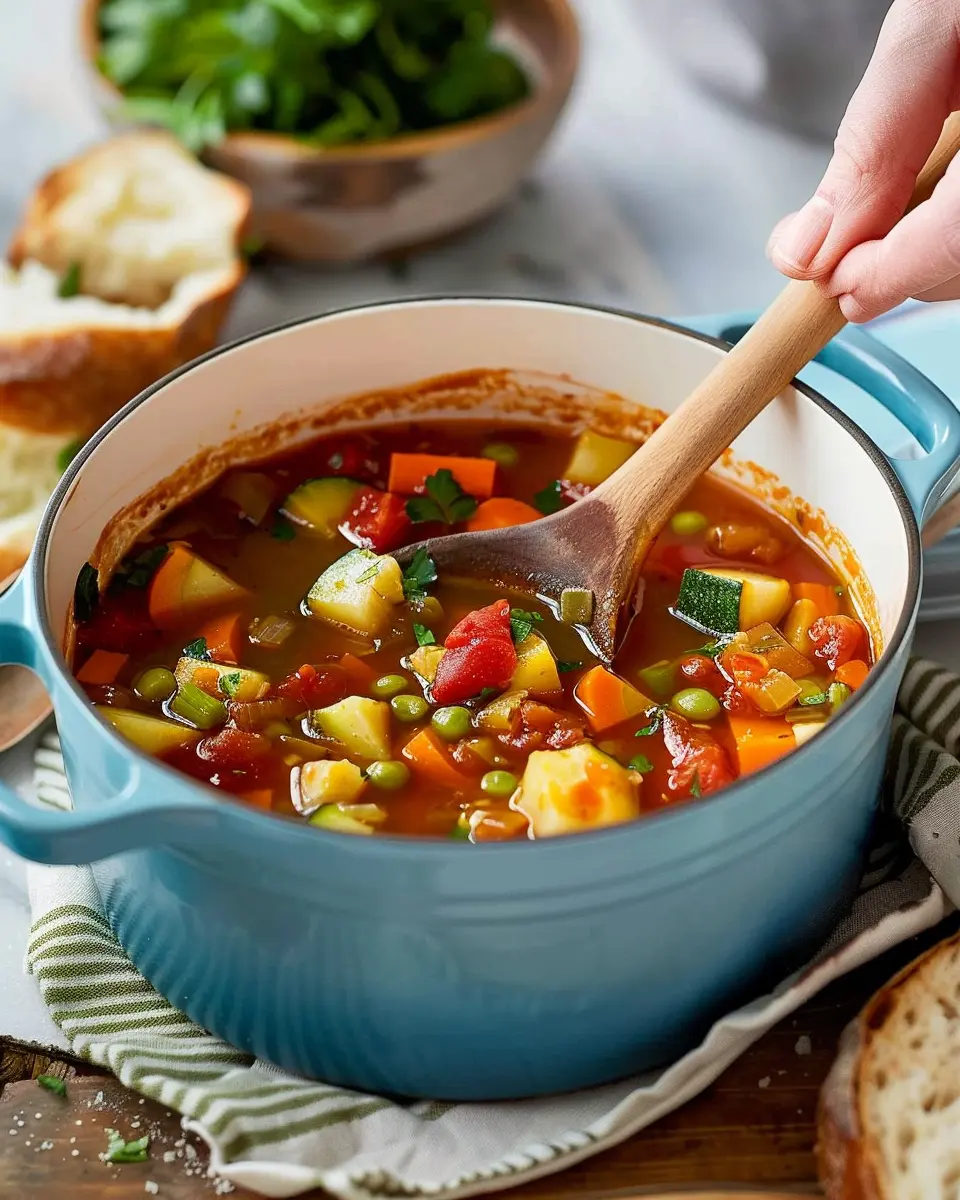
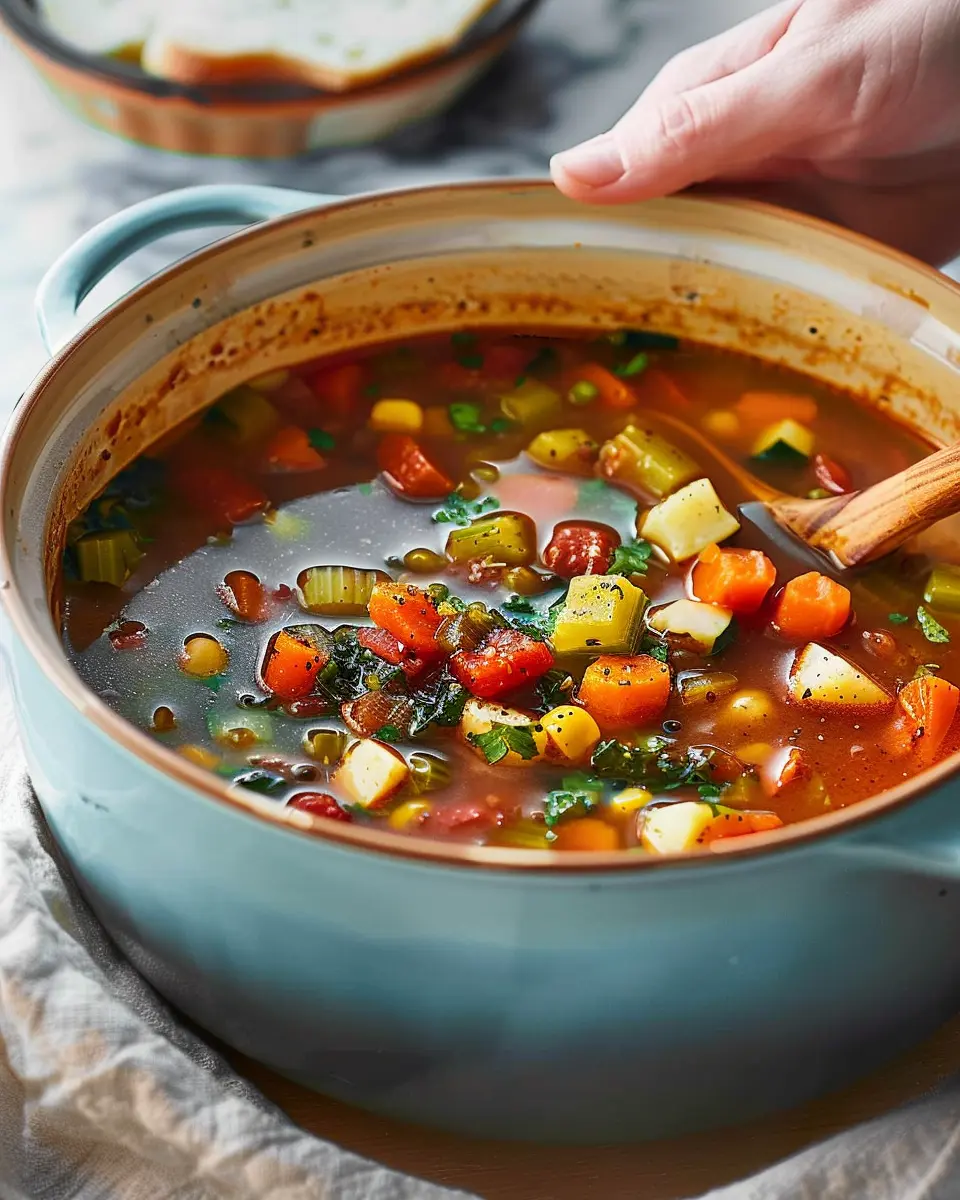
Bring your mixture to a gentle boil and then reduce the heat to low. Cover the pot and let the soup simmer for about 20-30 minutes, or until the vegetables are tender. During this time, the flavors will meld beautifully, creating a wholesome broth packed with nutrients.
While you wait, why not chop up some fresh herbs or prepare a nice loaf of crusty bread to enjoy alongside your vegetable soup? This is the perfect time to get creative in your kitchen!
Stir in the Final Ingredients
After your vegetable soup has simmered to perfection, it’s time to stir in any final touches. If you have fresh herbs like basil or parsley, toss them in for a burst of freshness. If you opted for turkey bacon or chicken ham, now is the time to stir them in as well.
Let your soup simmer for just a few more minutes to ensure everything is heated through. Taste one last time and adjust the seasoning if needed. Once satisfied, serve hot in bowls, garnished with additional herbs or a sprinkle of cheese, if desired.
With these simple steps, you are well-equipped to make a delicious and hearty vegetable soup that will warm your heart and satisfy your appetite. So, grab a spoon, and enjoy a bowl of your homemade goodness! For more inspiration on healthy cooking, consider checking out EatingWell.
Now that you know how to prepare a fantastic vegetable soup, what will you add to make it your own?
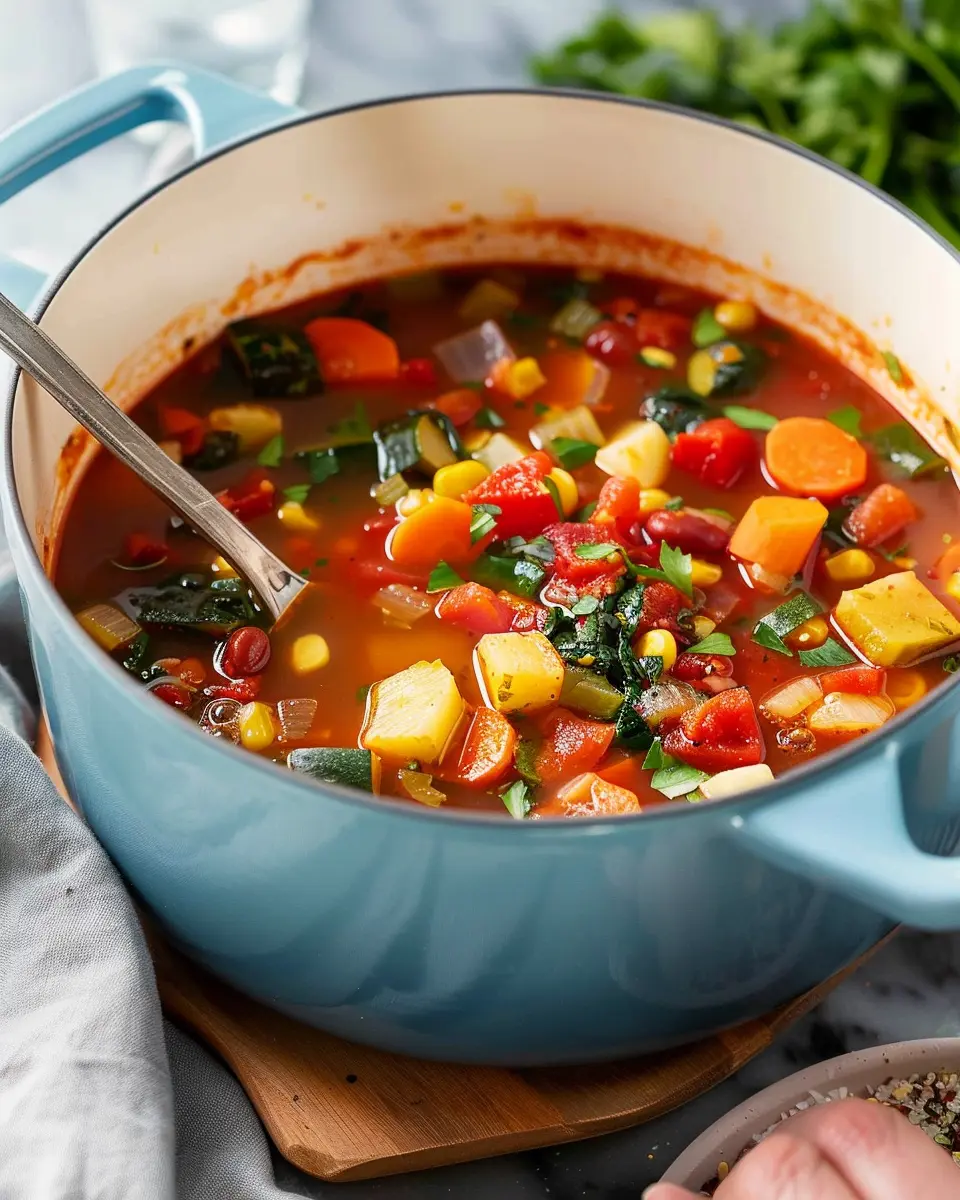
Variations on Vegetable Soup
Seasonal Vegetable Soup Inspirations
When it comes to vegetable soup, one of the best parts is how adaptable it can be, especially with the seasons. From hearty winter roots to fresh summer greens, changing your soup ingredients with the time of year can elevate flavor and nutrition.
- Spring: Use asparagus, peas, and fresh herbs like basil or mint.
- Summer: Incorporate zucchini, corn, and diced tomatoes for a refreshing touch.
- Fall: Sweet potatoes, butternut squash, and kale provide warmth and comfort.
- Winter: Carrots, onions, and cabbages can create a rich and cozy blend.
Experimenting with these seasonal veggies not only supports local farmers but also ensures your soup is packed with essential nutrients. Check out Seasonal Food Guide for more ideas on picking the freshest produce!
Protein-Packed Vegetable Soup with Chickpeas
If you’re looking to amp up your vegetable soup, adding chickpeas not only boosts the protein content but also gives you that creamy texture we all love. Here’s how you can transform a simple vegetable soup into a nutritious powerhouse:
- Start with a Base: Begin by sautéing onions, garlic, and peppers in a splash of vegetable broth for flavor.
- Add Chickpeas: Toss in a can (rinsed and drained) of chickpeas about 10 minutes into your cooking.
- Mix in Veggies: Include your seasonal picks along with some spinach or kale for an additional kick.
- Season Wisely: Choose simple seasonings like cumin, coriander, or even a splash of lemon juice to brighten the flavors.
This protein-packed variation is not just filling; it’s also meal-prep friendly! Reheat it throughout the week for a quick lunch or dinner option. Who doesn’t appreciate a warm, hearty meal waiting for them after a long day?
Cooking tips and notes for Vegetable Soup
Essential kitchen tools
To create a comforting and flavorful vegetable soup, having the right tools can make all the difference. Here’s a quick checklist for your kitchen:
- Large pot: Essential for simmering soup ingredients together evenly.
- Cutting board and sharp knife: Ensure smooth chopping of veggies like carrots, celery, and potatoes.
- Wooden spoon: Perfect for stirring without scratching your cookware.
- Immersion blender (optional): Ideal for pureeing the soup to your desired texture—great for a creamy finish!
How to adjust seasoning and flavors
When it comes to vegetable soup, the idea is to balance the flavors. Start with a base of aromatic herbs, like thyme and basil, to set the stage. Taste as you go—don’t hesitate to add salt, pepper, or even a splash of lemon juice for brightness. If you want to enhance a particular flavor, consider adding a touch of low-sodium broth or a dash of soy sauce for an unexpected umami kick.
Explore more tips on balancing flavors in soups with sources like the Food Network. It’s all about making it your own!

Serving suggestions for Vegetable Soup
Best sides to pair with your soup
When enjoying a hearty bowl of vegetable soup, the right side can elevate your meal. Here are some delightful options to consider:
- Crusty Bread: A warm, crusty baguette or sourdough is perfect for dipping and soaking up the flavors.
- Grilled Cheese: The nostalgia of a gooey grilled cheese sandwich complements the soup’s warmth beautifully.
- Salad: A fresh salad, perhaps with a citrus vinaigrette, adds a zing and balances the meal.
These pairings not only enhance your dining experience but also make for a well-rounded meal. For more ideas, check out this Bread and Soup Pairing Guide.
Creative ways to present your vegetable soup
Presentation can make your vegetable soup even more enticing! Here are some fun ideas:
- Mason Jar: Serve soup in a mason jar for a rustic touch, perfect for lunch on the go.
- Edible Bowls: Consider using bread bowls for a unique presentation that keeps the theme cohesive and delicious.
- Garnishes: Top with a dollop of yogurt or a sprinkle of fresh herbs like basil or cilantro for a splash of color.
Feeling adventurous? A fun presentation not only pleases the eyes but also enriches the eating experience. Your guests will love it!
Time breakdown for Vegetable Soup
Preparation time
Getting started on your delicious vegetable soup should take you about 15-20 minutes. This includes washing, peeling, and chopping your fresh veggies. Having a sharp knife and a sturdy cutting board makes this much quicker! Plus, if you enjoy multitasking, you can start prepping while you gather your ingredients.
Cooking time
Once everything is prepped and ready, the cooking time is approximately 30-40 minutes. This is where the magic happens! As everything simmers, the flavors meld beautifully, making your soup a warm hug in a bowl.
Total time
In total, you’re looking at around an hour from start to finish. Perfect for a quick weeknight dinner or a cozy weekend meal. Now that you know the timing, check out our full vegetable soup recipe that promises a hearty and nutritious experience. For more tips on vegetable preparation, visit resources like UC Cooperative Extension or The Spruce Eats for helpful insights!
Nutritional facts for Vegetable Soup
Calories per serving
A serving of vegetable soup typically contains around 70-100 calories, depending on the ingredients you choose. This makes it an excellent option for those looking to maintain or lose weight while still enjoying a hearty meal. It’s a guilt-free choice that can keep you feeling full without the calorie overload.
Nutritional benefits of vegetables
Incorporating a variety of vegetables in your vegetable soup provides an abundance of vitamins and minerals. For instance, carrots offer beta-carotene, while spinach is rich in iron. Research from the American Heart Association suggests that consuming more vegetables can lower your risk of heart disease.
Fiber and protein content
Vegetable soup is a fantastic source of both fiber and protein. Each bowl can deliver 3-5 grams of fiber thanks to ingredients like beans and leafy greens. This fiber aids digestion and helps you feel satisfied longer. If you’re adding options like turkey bacon or chicken ham, you’ll boost the protein content as well, making your meal even more balanced.
Embracing vegetable soup not only nourishes your body but also warms your soul, making it a perfect dish for any time of the year!
FAQs about Vegetable Soup
What vegetables are best for soup?
When it comes to making a delicious vegetable soup, the possibilities are nearly endless! You can use a variety of vegetables, but some stand out for their flavor and texture. Here’s a quick list to get you started:
- Carrots: Add a touch of sweetness.
- Celery: Great for adding depth.
- Potatoes: For creaminess and substance.
- Spinach or kale: Perfect for a nutrient boost.
- Tomatoes: Fresh or canned for acidity and flavor.
Mix and match based on what you have on hand or your personal favorites! Just remember, the fresher, the better.
Can I freeze vegetable soup?
Absolutely! Freezing your vegetable soup is a fantastic way to meal prep and save time later. Just allow the soup to cool completely and then transfer it to airtight containers or freezer bags. Label them with the date, and you’re good to go! Most soups stay fresh in the freezer for up to three months. When it’s time to enjoy, just thaw overnight in the fridge and reheat on the stovetop.
How can I make it spicy?
If you like a kick in your vegetable soup, there are several easy ways to add some heat! Try incorporating:
- Red pepper flakes or cayenne pepper for a quick spice boost.
- Fresh jalapeños or serrano peppers for a homegrown touch.
- A spoonful of sriracha or your favorite hot sauce at the end for a flavorful kick.
Experimenting with spices not only elevates the dish but also keeps it interesting!
For more tips on soup-making, check out The Kitchn and Food Network!
Conclusion on Vegetable Soup
Homemade vegetable soup is more than just a comforting dish—it’s a celebration of fresh ingredients and culinary creativity. Cooking your own soup allows you to control flavors, textures, and nutrient content, making it a healthier choice compared to store-bought alternatives. Plus, the aroma wafting through your kitchen creates a warm, inviting atmosphere that can brighten any day.
Did you know soups can contribute to hydration and are often lower in calories, making them an excellent option for weight management? So next time you crave a meal that nourishes both body and soul, consider whipping up a pot of your favorite vegetable medley. Your taste buds (and health) will thank you.
For more inspiration, check out this Nutritional Benefits of Soup or simply dive into the joy of cooking!
PrintVegetable Soup Secrets: Easy, Healthy Comfort in Every Bowl

Discover the secrets to creating a delicious and healthy vegetable soup that warms your soul.
- Prep Time: 15 minutes
- Cook Time: 30 minutes
- Total Time: 45 minutes
- Yield: 4 servings 1x
- Category: Soup
- Method: Stovetop
- Cuisine: American
- Diet: Vegan
Ingredients
- 2 tablespoons olive oil
- 1 cup chopped onions
- 2 cloves garlic, minced
- 2 cups chopped carrots
- 2 cups chopped celery
- 4 cups vegetable broth
- 1 can (14.5 ounces) diced tomatoes
- 2 cups chopped mixed vegetables (like green beans and zucchini)
- 1 teaspoon dried basil
- 1 teaspoon dried oregano
- Salt and pepper to taste
Instructions
- In a large pot, heat the olive oil over medium heat.
- Add the chopped onions and garlic, sauté until softened.
- Add the carrots and celery, cook for a few minutes.
- Pour in the vegetable broth and diced tomatoes, bring to a boil.
- Add the mixed vegetables, basil, and oregano; reduce heat and simmer for 20 minutes.
- Season with salt and pepper before serving.
Notes
- This soup can be made in advance and tastes better the next day.
- Feel free to add your favorite vegetables.
Nutrition
- Serving Size: 1 bowl
- Calories: 150
- Sugar: 5g
- Sodium: 800mg
- Fat: 8g
- Saturated Fat: 1g
- Unsaturated Fat: 5g
- Trans Fat: 0g
- Carbohydrates: 22g
- Fiber: 5g
- Protein: 4g
- Cholesterol: 0mg
Keywords: Vegetable Soup